Web & UX Design
Arcos
How do you buy furniture for a space you haven’t really seen yet ?
That question was the starting point for Arcos.
Not how to sell more décor, but how to reduce the hesitation that comes before every purchase.
The starting assumption was: People don’t struggle with choosing furniture.
They struggle with picturing it in their own home.
Services:
• Experience Design
• Interface Design
• Prototype development
Industry:
• Home Décor
• Retail
• Emerging Technology
The team:
• Product stakeholders
• Enginering
• UX & Product design (me)
Year:
2021
What is Arcos
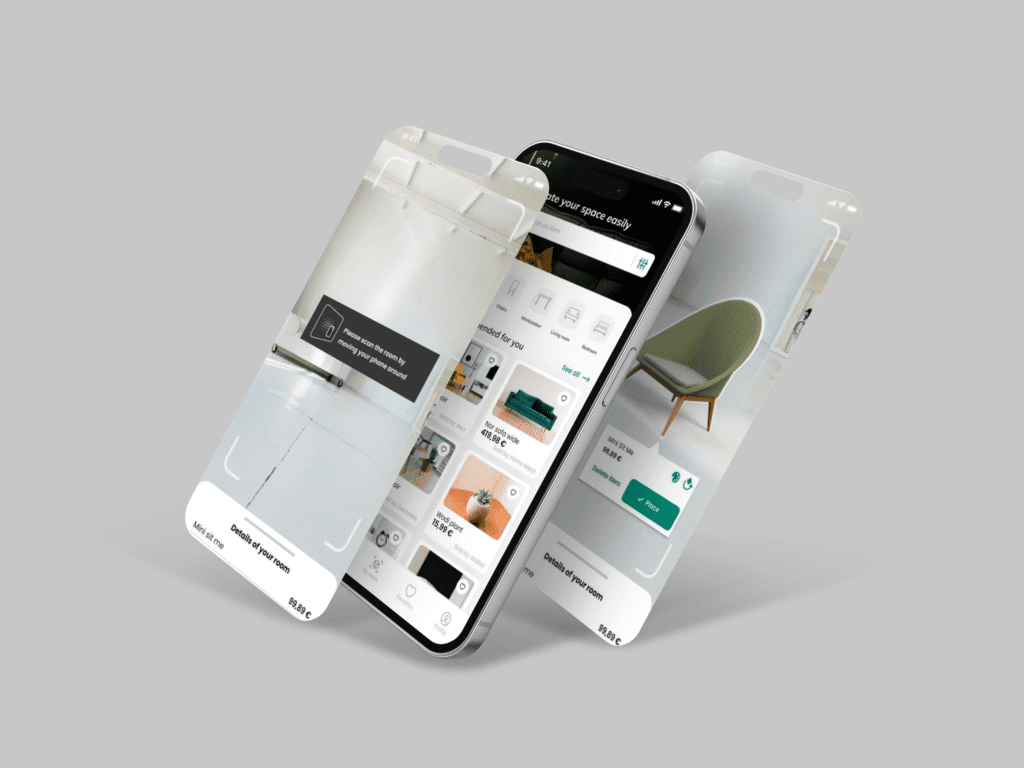
Arcos was conceived as an early-stage product exploring new ways of shopping for home décor.
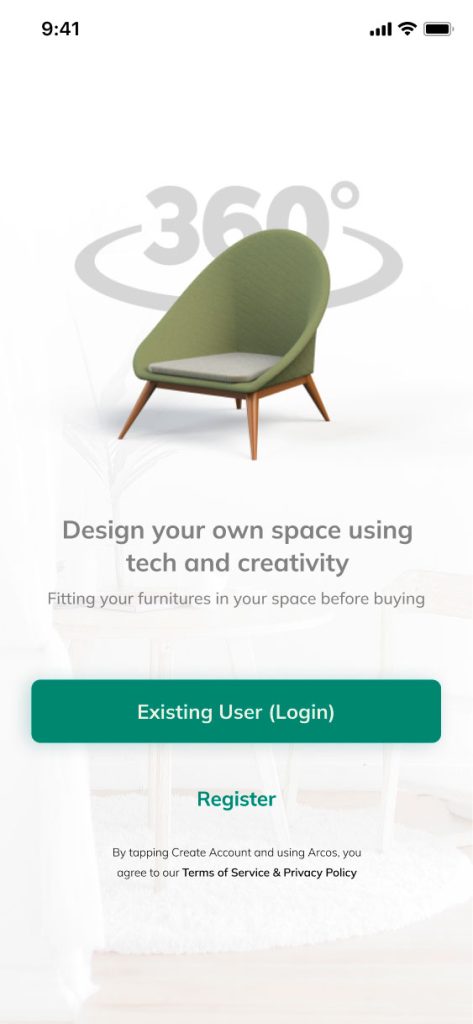
The idea was to combine retail with emerging technology, allowing users to preview furniture in their own space before buying.
The goal wasn’t scale.
It was to test whether this way of shopping could feel natural in real life.
Project overview
The project began as a private MVP to explore how augmented reality could support everyday decisions, not just impress users.
From the beginning, it was clear that this wasn’t about novelty.
If the experience felt slow, confusing, or unrealistic, the technology would get in the way instead of helping.
The challenge was to design something that blended into the buying process rather than interrupting it.
Scope of work
The work focused on designing for real environments, not ideal ones.
That meant thinking beyond screens. Lighting conditions, room sizes, device limitations, and user movement all became part of the design conversation. Objects had to feel grounded in space, not floating or distorted.
Because the product relied on IoT and augmented reality, adaptability became a key concern. The experience needed to respond smoothly across different devices and contexts, without asking users to adjust their behavior.
The MVP was designed using Figma to test these assumptions early, before committing to a larger build.
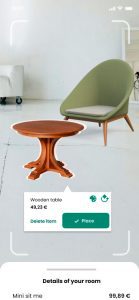
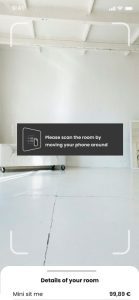
Final result
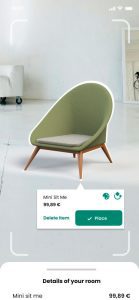
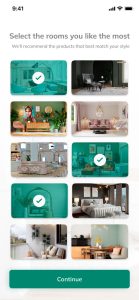
The outcome was a functional prototype that allowed users to place and explore décor items in their own space using augmented reality.
During internal testing and early demos, users spent more time interacting with products than in traditional browsing experiences. Engagement increased as people adjusted objects, walked around them, and compared options in context rather than relying on imagination alone.
While the project remained at an MVP stage, it validated a critical idea: when people can see products where they will actually live, confidence increases and hesitation drops. The experience shifted the decision from “Do I like this?” to “Does this fit my life?”
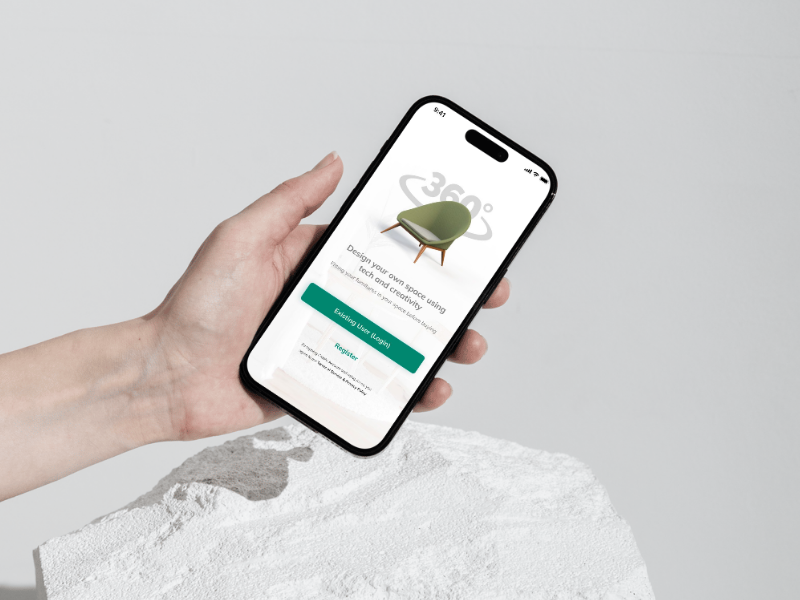
What this project higlighted
Technology only helps when it disappears.
This project reinforced the importance of designing emerging tools around real behavior, not ideal scenarios. Augmented reality, IoT, and new interfaces only succeed when they respect the physical world users live in.
Good design, in this case, meant knowing when to step back and let reality do the work.