Diseño Web y UX
Bocado
¿Cómo mantener a alguien sonriendo mientras espera su comida?
Ésa era la pequeña pregunta detrás de Bocado, y silenciosamente se convirtió en la gran pregunta.
No se trata de “cómo diseñar otra aplicación de entrega a domicilio”, sino de “cómo hacer que la espera se sienta menos como espera”.
Las entregas no son instantáneas.
Son momentos de expectativa, tiempo que los usuarios suelen pasar refrescando pantallas o sin estar seguros de si su pedido va por buen camino.
Bocado fue concebido como un concepto donde el tiempo de espera en sí mismo se convierte en parte de la experiencia.
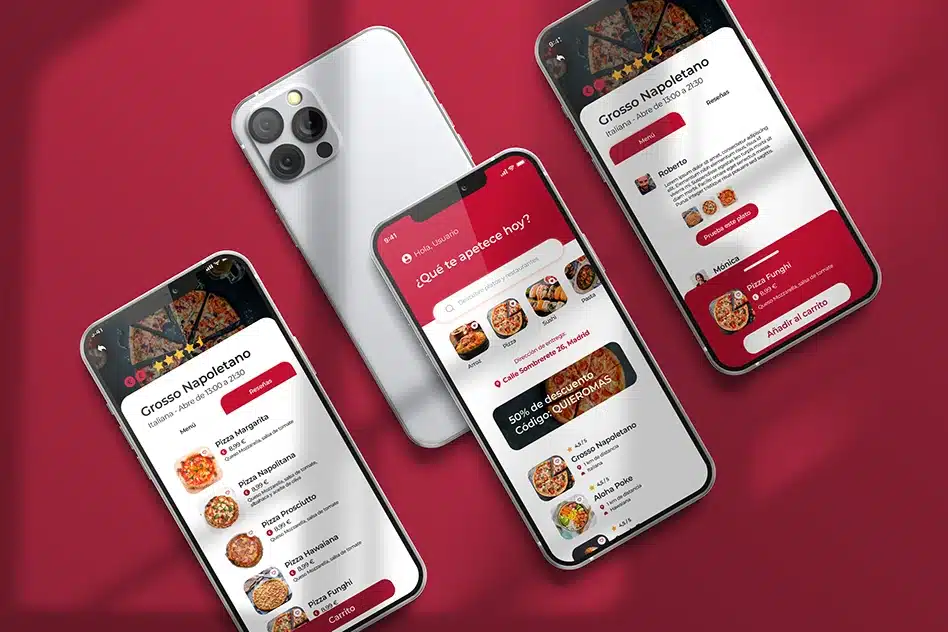
Servicios:
• Diseño conceptual
• Experiencia móvil
• Exploración de interacciones
Industria:
• Entrega de comida
• Aplicaciones móviles
• Diseño de compromiso
El equipo:
• Lider conceptual
• Diseño UX/UI (yo)
Año:
2024
Qué es Bocado
La idea detrás de Bocado comenzó con una idea simple:
La gente no solo quiere que le traigan la comida. Quieren algo bueno Durante el tiempo antes de que llegue.
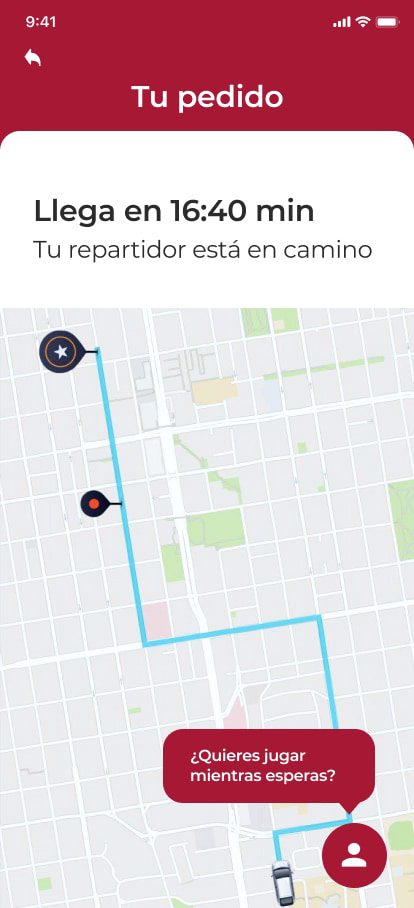
Las plataformas de entrega existentes presentan un mapa y un temporizador.
Bocado imaginó que mientras esperas, quizás prefieras jugar con tu comida (literalmente) o ganar puntos, no porque tengas que hacerlo, sino porque te resulta divertido.
Si la espera fue larga, la participación se convierte en parte del servicio y no en una distracción.
Descripción del proyecto
Esto no fue un encargo del cliente. Fue una exploración de diseño con una intención real.
El concepto planteaba: ¿qué pasaría si la aplicación hiciera más que simplemente rastrear una ruta? ¿Y si respetara el tiempo y la atención, y ofreciera algo que hiciera que la espera se sintiera más corta, más agradable y más gratificante?
En lugar de filosofar sobre programas de fidelización o insignias, la idea se basó en lo cotidiano: un juego pequeño, interacciones sutiles y mecánicas que parecen naturales en un contexto de entrega.
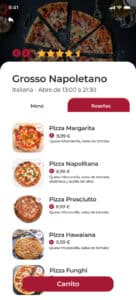
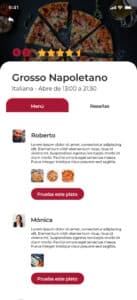
El resultado no fue un producto terminado, sino una secuencia de pantallas y flujos que tratan la espera como parte de la experiencia en lugar de como a una interrupción.
Alcance
El trabajo se centró en las interacciones móviles y la lógica de participación.
Las pantallas fueron diseñadas para que:
El proceso de entrega todavía se sienta claro,
Las acciones principales (navegar, ordenar, rastrear) permanezcan sin fricciones,
El “momento de espera” se convierta en un camino opcional para la interacción lúdica o para ganar puntos,
Las imágenes y el movimiento mantengan un tono ligero sin resultar infantiles ni distractores.
Los prototipos se diseñaron en Figma con la estructura suficiente para imaginar un uso real, pero lo suficientemente abiertos para evolucionar si este concepto se hubiera convertido en un producto real.
Resultado
El resultado no fue una aplicación pulida que pudiera publicarse mañana.
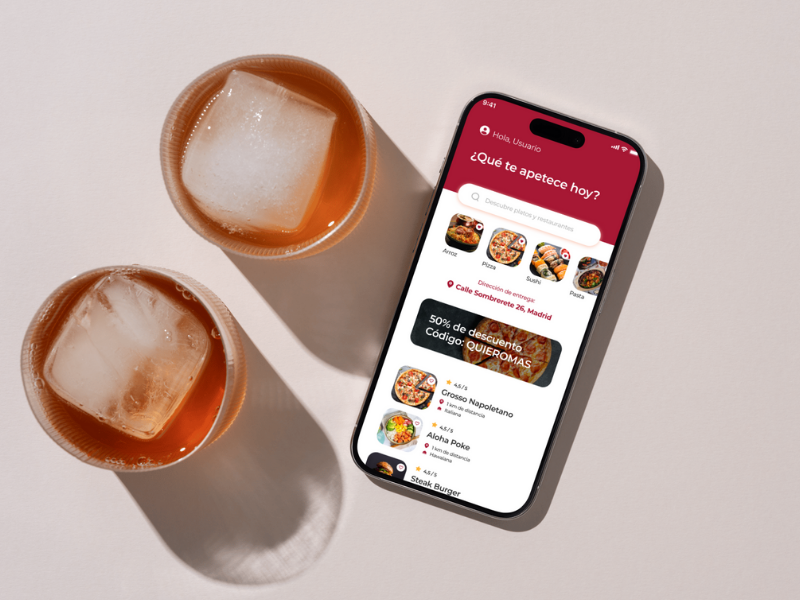
Era una familia de pantallas e ideas que mostraban cómo una aplicación podría tratar la espera como un momento de valor.
La gente a menudo juzga un servicio por sus deficiencias, ni por sus características.
En la entrega, la brecha más grande es el tiempo de espera.
Al probar el concepto internamente y en pequeñas revisiones de diseño, la idea resonó porque no solo era añadir un juego. Se entendió que existía atención real del usuario en esos minutos antes de la llegada . Y lo trató como algo que valía la pena diseñar.
Bocado pasó a ser menos una cuestión de entrega de comida y más de experiencia en torno a la comida, invitando a las personas a permanecer interesadas en lugar de mirar y cerrar la aplicación.
Conclusiones clave
No todo trabajo de diseño termina en un producto lanzado.
Parte de ello termina en una comprensión: un ligero cambio en cómo vemos el comportamiento del usuario.
Bocado me recordó que la espera también es parte de la experiencia del cliente y que la atención durante el tiempo de inactividad se puede moldear con intención.
Si piensas en cada momento de inactividad como un espacio en blanco, comenzarás a ver oportunidades, no obstáculos.