Diseño Web y UX
Rate My Rent
¿Qué pasaría si los inquilinos pudieran hablar abiertamente sobre su experiencia de alquiler… sin ponerse en riesgo?
Ésa era la verdadera pregunta detrás de Rate My Rent.
No era sobre si los usuarios querían dejar reseñas, sino si se podría hacer de manera responsable, legal y sin exponer a nadie en el proceso.
La idea era simple: brindarles a los inquilinos un espacio para compartir su experiencia con las propiedades y los propietarios.
Hacer que funcionara en el mundo real no lo fue.
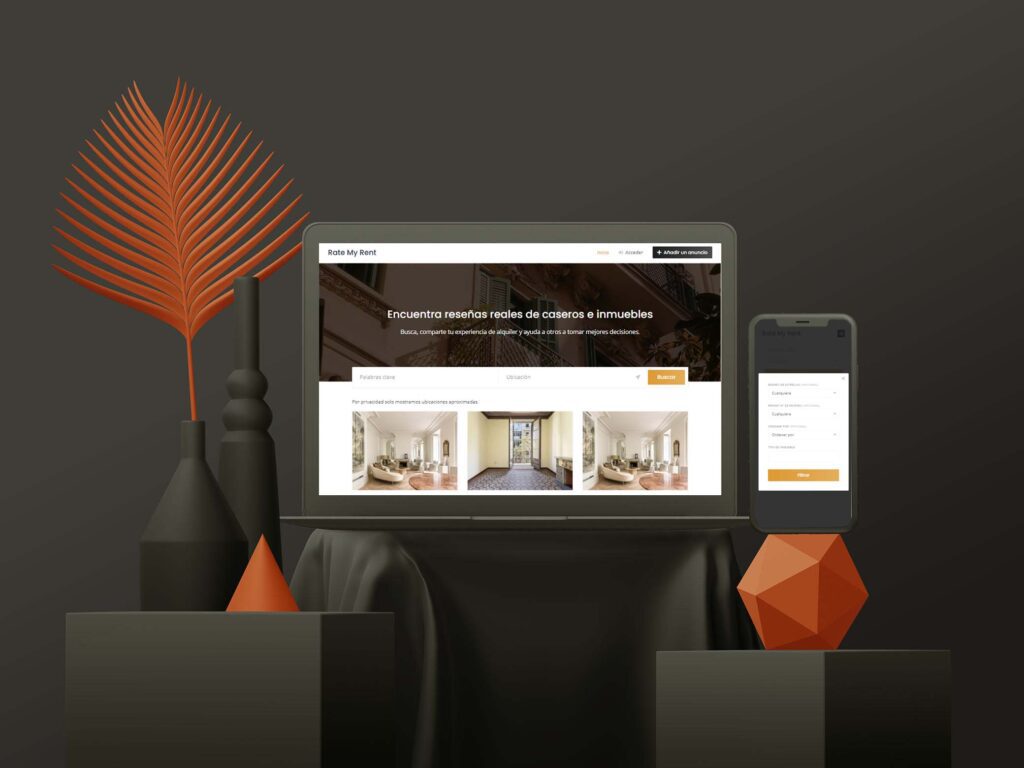
Servicios:
• Estrategia de producto
• Diseño de experiencia
• Diseño Web
• Desarrollo web
Industria:
• Bienes raíces
• Alquileres
• Plataformas de consumo
El equipo:
• Fundador
• Co-fundador
• Asesores legales
• Producto y desarrollo (yo)
Año:
2025
Qué es Rate My Rent
Rate My Rent comenzó como una idea sencilla de un fundador que había visto, de primera mano, cuán poca transparencia existe en el mercado de alquiler.
Los inquilinos hablan en privado. Los propietarios controlan la narrativa.
La plataforma pretendía equilibrar eso cuidadosamente.
Descripción del proyecto
La petición inicial fue sencilla: crear una plataforma donde los inquilinos pudieran calificar las propiedades en alquiler y a los propietarios.
Pero las primeras conversaciones cambiaron rápidamente el enfoque.
No se trataba sólo de un desafío de producto: era un desafío legal.
Las reseñas involucran nombres, direcciones, opiniones y consecuencias. Una decisión incorrecta podría exponer a los usuarios o al propio negocio. Basándome en mi experiencia previa con plataformas basadas en reseñas, asesoré al fundador desde el principio sobre los posibles riesgos legales y las preocupaciones sobre privacidad, antes de tomar cualquier decisión de diseño.
El producto necesitaba proteger a los usuarios tanto como empoderarlos.
Alcance
La plataforma fue diseñada y construida en WordPress, pero requirió mucho más que una configuración estándar.
La lógica personalizada se desarrolló en PHP para facilitar la creación de cuentas, las revisiones, las reglas de moderación y un manejo más estricto de los datos. Los flujos de usuario se diseñaron cuidadosamente para evitar la exposición de información confidencial, a la vez que permitían la difusión de comentarios honestos.
El diseño y el desarrollo se realizaron en conjunto, adaptándose constantemente a medida que se añadían las aportaciones legales. En un momento dado, un equipo legal se unió al proyecto para validar las suposiciones y ajustar los límites, lo cual posteriormente influyó directamente en el producto.
Cada decisión se sopesó en función de una pregunta: ¿Esto protege al usuario?

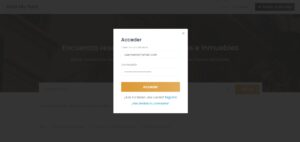
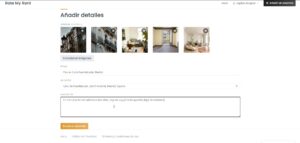
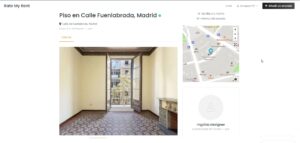
Resultado
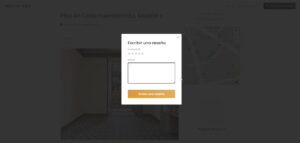
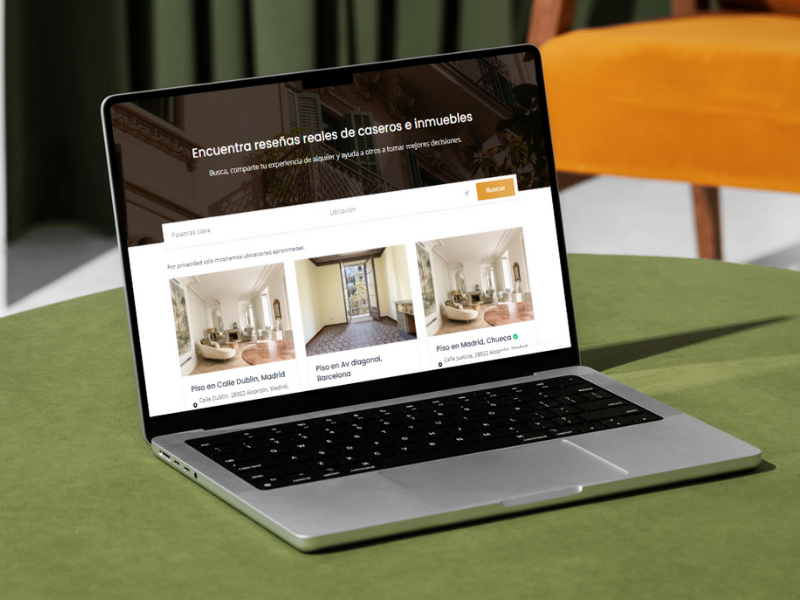
El resultado fue un MVP funcional que permitía a los usuarios registrarse, enviar reseñas y explorar comentarios sobre alquileres mientras mantenían protegidos sus datos personales.
Más importante aún, el MVP validó la idea central. Demostró que existía un interés real y que la transparencia en los alquileres podía existir sin generar exposición ni conflictos.
El producto no intentó escalar rápidamente, sino con responsabilidad.
Lo que este proyecto reforzó
Algunos productos no son riesgosos por la tecnología, sino por las personas.
Este proyecto fue un recordatorio de que las buenas decisiones no siempre se reflejan en la interfaz. A veces residen en lo que no se muestra, lo que se retrasa o lo que se omite intencionalmente.
Para las plataformas que tratan con vidas reales, hogares reales y consecuencias reales, la confianza no es una característica.
Es la base.